

Trading in a car means selling your current vehicle to the dealership as part of buying your next one. The dealer appraises it, makes an offer, pays off any loan you still carry, and applies whatever equity is left to your purchase. In Washington, that trade-in value also comes off the price you pay sales tax on.
Valley Auto Liquidators has been taking trade-ins on East Sprague Avenue since 2004, and the question we hear most at the appraisal desk is what happens to the old car, and the old loan, once the keys change hands. This guide answers that in the order you'll experience it. If you also want a system for vetting the vehicle you're trading toward, our used car inspection checklist for Washington buyers covers the other half of the deal.
Trade-In Math in One Line
Trade-in value minus loan payoff equals your equity. Positive equity works like a cash down payment. Negative equity, meaning you owe more than the car is worth, has to be paid at signing or added to your next loan. Everything else in a trade-in, from the appraisal to the paperwork, is about getting those two numbers right.
Most drivers trade in for convenience, and that convenience is real: one visit, one stack of paperwork, no strangers test-driving your car from an online listing, and no figuring out how to hand over a title your bank is still holding. In Washington there's a financial reason as well, which the tax section below breaks down with real numbers.
None of this is complicated, but the order matters. Know your payoff before you hear an offer, settle your trade value separately from the price of the next car, and read the final contract line by line before you sign. Work through the sections below and you'll walk in knowing roughly what your car is worth, what you owe on it, and what a fair deal should look like on paper.
How Does Trading In a Car Work? The Process in Three Stages
Every trade-in comes down to the same three stages, at any dealership. The details vary, such as how long the appraisal takes, whether the offer is in writing, and who calls the lender, but the structure doesn't. Knowing it keeps you from treating the trade-in as an afterthought tacked onto the end of the sale.
Here's what happens, in order:
1. The Appraisal
An appraiser walks the exterior and interior, checks the tires and engine bay, takes a short drive, and pulls the vehicle history report. That condition read is then compared against current auction and retail data for the same year, model, trim and mileage.
2. The Offer and the Payoff
You receive a dollar figure for the vehicle. If there's a loan, the dealer confirms the exact payoff with your lender, pays it directly after the sale, and handles the lien release and title transfer on your behalf.
3. The Credit Toward Your Purchase
Whatever equity remains is applied to the vehicle you're buying, which reduces the amount you finance. In Washington, the full trade-in value also comes off the taxable price, a savings a private sale can't match.
One point worth separating early: the trade-in value and the price of the vehicle you're buying are two different numbers, and it pays to settle them one at a time. A generous-looking trade offer can be offset by a firm vehicle price, and a big discount on the vehicle can be offset by a thin trade offer. Ask for both figures in writing, then judge the deal by the difference between them. That difference, plus tax and fees, is what you're actually paying.
It also helps to understand why a trade-in offer usually sits below what the same car would bring from a private buyer. The dealer takes on reconditioning, a safety inspection, marketing, holding costs, and the risk that the car sits through a slow month. A fair offer accounts for those costs. It shouldn't use them as an excuse to lowball a clean, in-demand vehicle.
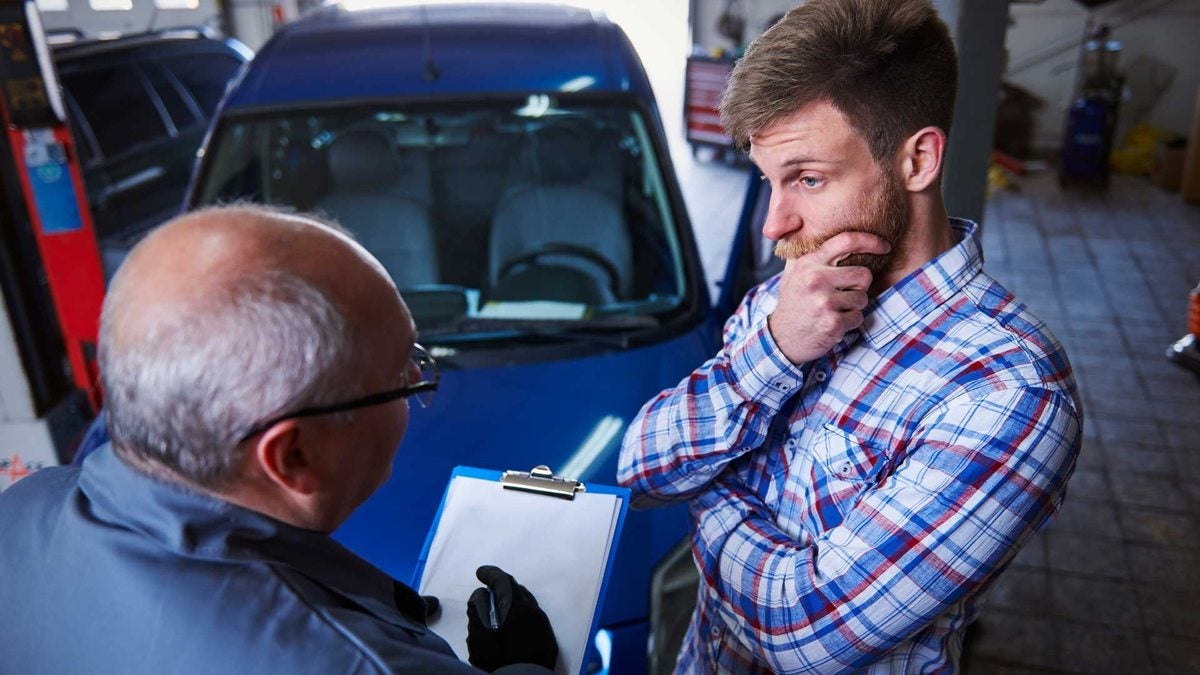
A solid trade-in appraisal ends with a written number you can compare against the price of your next car
How to Trade In a Car: Your Prep Checklist
A little preparation changes the tone of the whole appraisal. Walking in with your paperwork, your payoff and a realistic sense of your car's value moves the conversation from guessing to comparing, and it shortens the visit considerably.
Gather these before you head to the dealership:
- Title or lender details: If the car is paid off, bring the Washington title, but don't sign it until you're at the desk. If you're still making payments, bring the lender's name and your account number, since the lender holds the title until the payoff clears.
- A current payoff quote: Call your lender or check its app for a payoff amount, often called a 10-day payoff. It's different from the balance on your statement because it includes interest through a specific date.
- Registration and photo ID: Bring your current registration and a driver's license. If two people are listed as owners, plan for both signatures. On a 2011 or newer vehicle, you'll also complete an odometer disclosure.
- Every key and fob: A missing smart key can cost a few hundred dollars to replace, and the appraiser will factor that in. Bring the spare, the owner's manual and any wheel-lock key.
- Service records: Oil change receipts, recent tires, a brake job or a timing belt replacement all support a stronger number by showing the car has been looked after.
- A clean, emptied car: Remove personal items, garage door openers and your Good To Go! toll pass, unpair your phone from Bluetooth, and sign out of any connected-car apps. A wash and vacuum costs little and makes a real first impression.
Before you go, get a baseline from at least two online valuation tools and use their trade-in figure, not the private-party or retail number. Be candid about the condition grade. Most cars that feel excellent to their owners land in the good category once an appraiser looks closely at the tires, windshield and door edges.
Know Your Payoff Before You Hear an Offer
The single most useful number you can bring to a trade-in is your exact loan payoff. Without it, you can't tell whether an offer leaves you with positive equity or a balance to cover, and it's much harder to see whether a lower monthly payment came from a better deal or simply a longer loan.
One more five-minute check: run your VIN through the NHTSA vehicle recall lookup. An open recall rarely sinks a trade-in value, since the repair is free at a franchise dealer, but knowing about it up front avoids surprises during the appraisal. Small fixes like a burned-out bulb or a missing floor mat are worth handling. Major repairs rarely pay for themselves on a trade-in, because a dealer can usually do the work for less than you would pay a shop.
What Affects Your Trade-In Value in Spokane Valley
Mileage, condition and accident history do most of the work, followed by trim, options, color, number of owners and service records. Local demand matters too. Trucks, all-wheel-drive SUVs and four-wheel-drive vehicles stay in steady demand across the Inland Northwest, and that demand tends to firm up in the fall, when drivers start thinking about the first snow on I-90 and the climb up to the South Hill. Convertibles and rear-wheel-drive sports cars often bring more in the spring.
Disclosure and timing count as well. A check-engine light, cracked windshield or worn set of tires will be priced at the cost of fixing them, so it's better to mention them than to have them discovered. And because trade-in values follow the wholesale market, a written offer usually has a short shelf life. If you plan to shop for a few weeks, ask how long the number is good for.
Trading In a Car You Still Owe Money On
Yes, you can trade in a financed car, and most trade-ins still carry a loan. If you're wondering how trading in a car works when you still owe on it, the dealer gets your payoff figure from the lender, sends the payment directly once the deal is complete, and the lender then releases its lien on the title. Washington law requires dealers to follow through on that payoff. What shapes your deal is the gap between the payoff and the trade-in value.
Step-by-Step: From Appraisal to Payoff
| Step | Action Required | Timeline | Documentation Needed |
|---|---|---|---|
| 1 | Get your loan payoff quote and an online value estimate | Before you visit | Lender name, account number, VIN, current mileage |
| 2 | Complete the in-person appraisal and review the written offer | At the dealership | All keys, registration, service records |
| 3 | Agree on the trade value and the vehicle price separately | Before signing anything | Written appraisal, buyer's order |
| 4 | Sign the purchase and trade-in documents | Day of sale | Title or lien details, photo ID, odometer disclosure (2011 and newer) |
| 5 | Dealer pays off your loan; confirm the Report of Sale is filed | Report of Sale due within 5 days of the sale | Lender payoff confirmation, Report of Sale confirmation |
If the trade-in value is higher than your payoff, the difference is positive equity and works exactly like a cash down payment. If it's lower, you have negative equity, often called being upside down, and that balance doesn't disappear. You can pay it in cash at signing, or it can be added to the loan on your next vehicle, which raises the amount you finance and can leave you owing more than the new car is worth, too.
When you're upside down, you have better options than simply rolling the balance forward. You can put cash toward the gap, choose a less expensive vehicle so the total loan stays manageable, or keep making payments for a few more months until the gap closes. If you do roll it in, compare the total cost over the life of the loan, not just the monthly payment.
Washington Rules That Protect You When You Trade
Washington's dealer practices law addresses a situation that worries a lot of trade-in customers: driving home in the new car while financing is still being finalized. On a contract that depends on financing approval, a dealer has four business days to complete it. If it can't, the dealer must void the contract and return your trade-in, or pay you the cash value listed in the contract if the trade has already been sold, before asking you to sign new terms. Changing a deal after that window, a practice known as bushing, is prohibited under RCW 46.70.180.
Two other details are on you. As the seller, you're legally responsible for making sure a Report of Sale reaches the Department of Licensing within five days. A registered dealer can file it for you, but confirm that it was submitted. Your license plates stay with you rather than the car, and they can move to another vehicle of the same type, such as car to car or truck to truck. Until your lender confirms a zero balance, keep making your regular payment so nothing is reported late while the payoff is in transit.
Trade-In vs. Private Sale in Washington: Which Pays More?
A private-party sale usually brings a higher sale price than a trade-in. Whether it leaves more money in your pocket is a different question, because a trade-in carries advantages that never show up on a valuation website. In Washington, the biggest of those is tax.
Before you list your car online, run the numbers both ways in net dollars: what you'd actually keep after taxes, fees, time and risk.
How the Washington Trade-In Sales Tax Credit Works
Under Washington's trade-in tax rule, WAC 458-20-247, the value of a like-kind trade-in is excluded from the selling price, so you pay sales tax only on the difference. A car, truck or motorcycle can be traded toward another motor vehicle. The trade has to be delivered to the dealer as part of the same purchase and listed on the sales documents, and the credit can't exceed the price of the vehicle you're buying.
What the Credit Is Worth in Spokane Valley
A vehicle purchase in Spokane Valley carries 8.8% in combined state and local sales tax, plus Washington's motor vehicle sales tax, which rose from 0.3% to 0.5% on January 1, 2026. That's about 9.3% in all. Buy a $28,000 vehicle with a $12,000 trade-in and you're taxed on $16,000 instead of $28,000, a savings of roughly $1,116. Sell that same car privately and a buyer would need to pay you about $1,116 more just to break even, before you count your time.
| Option | What You Handle | Sales Tax Impact | Best For |
|---|---|---|---|
| Private-Party Sale | Pricing, listing, showings, test drives, verifying payment, paying off any lien, filing the Report of Sale | No trade-in credit on your next vehicle purchase | Paid-off, high-demand vehicles when you have time to sell |
| Trade-In at a Dealership | One appraisal; the dealer handles the loan payoff, title and transfer paperwork | Trade-in value comes off the taxable price | Drivers who still owe on their car or want one simple transaction |
A private sale can still come out ahead when your car is paid off, in high demand, and worth well above a dealer's offer, and when you have the time to manage the listing, screen buyers, and meet at a licensing office to sign over the title safely. If you still owe on the car, a private sale gets complicated quickly, because the buyer has to trust that you'll pay off the lender and deliver a clean title afterward.
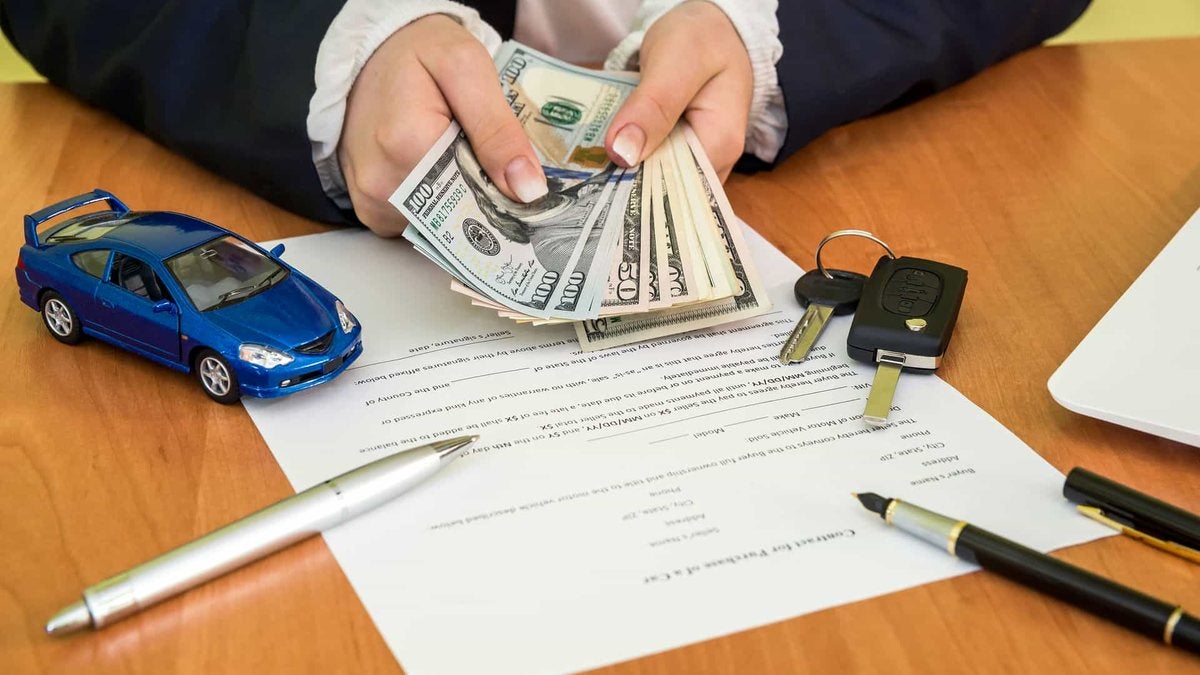
Your trade-in value, loan payoff and sales tax credit all come together on the same signed paperwork
Why Trade In Your Car at Valley Auto Liquidators
Whether you're looking for the best place to trade in a car in Spokane or simply a used car dealer that takes trade-ins in Spokane Valley, the questions to ask are the same. Will the offer be in writing? Will the trade value and vehicle price be shown separately? Who handles the loan payoff and the title? We'd rather answer those up front than be asked about them later.
At Valley Auto Liquidators, here's how a trade-in works with us:
Free Online Appraisal
Our trade-in form takes your year, make, model, mileage, condition and approximate payoff, so the first conversation already accounts for what you owe. We then confirm the value with an in-person look at the vehicle.
Payoffs and Paperwork Handled
We contact your lender, pay off the balance directly, and process the title and registration paperwork on the vehicle you're buying, so you leave with one completed transaction instead of a to-do list.
Financing for Every Credit Situation
Our in-house finance center works with buyers across the credit spectrum, including drivers carrying negative equity who need a realistic plan for the remaining balance.
We've been family-owned and on East Sprague Avenue since 2004, and our trade-in customers drive in from Spokane, Coeur d'Alene, Pullman and the Tri-Cities. If you're looking for a car trade-in near Spokane, browse our used cars for sale in Spokane before your appraisal so you already know which vehicle you're trading toward.
Our ASE-certified service department is on site as well, so once you've traded up, the same team can handle oil changes, tires and routine maintenance on your next vehicle. You won't need to find a new shop just because you found a new car.
Get Your Trade-In Value in Spokane Valley
Trading in a car works best when you arrive with your payoff, your paperwork and a realistic number in mind. Bring those, and we'll bring a written appraisal, a clear breakdown of the trade value and the vehicle price, and a team that handles the lender and the title for you.
Start with our free online trade-in appraisal, get pre-approved, or stop by 13818 E Sprague Ave, Spokane Valley, WA 99216. Our sales team is open Monday through Saturday from 9 AM to 7 PM and Sundays from 10 AM to 5 PM, and you can reach us at (509) 792-3003.
Whether you're driving in from Spokane, Coeur d'Alene or Pullman, bring your keys and your questions. You'll leave knowing exactly what your car was worth and where every dollar of it went.