
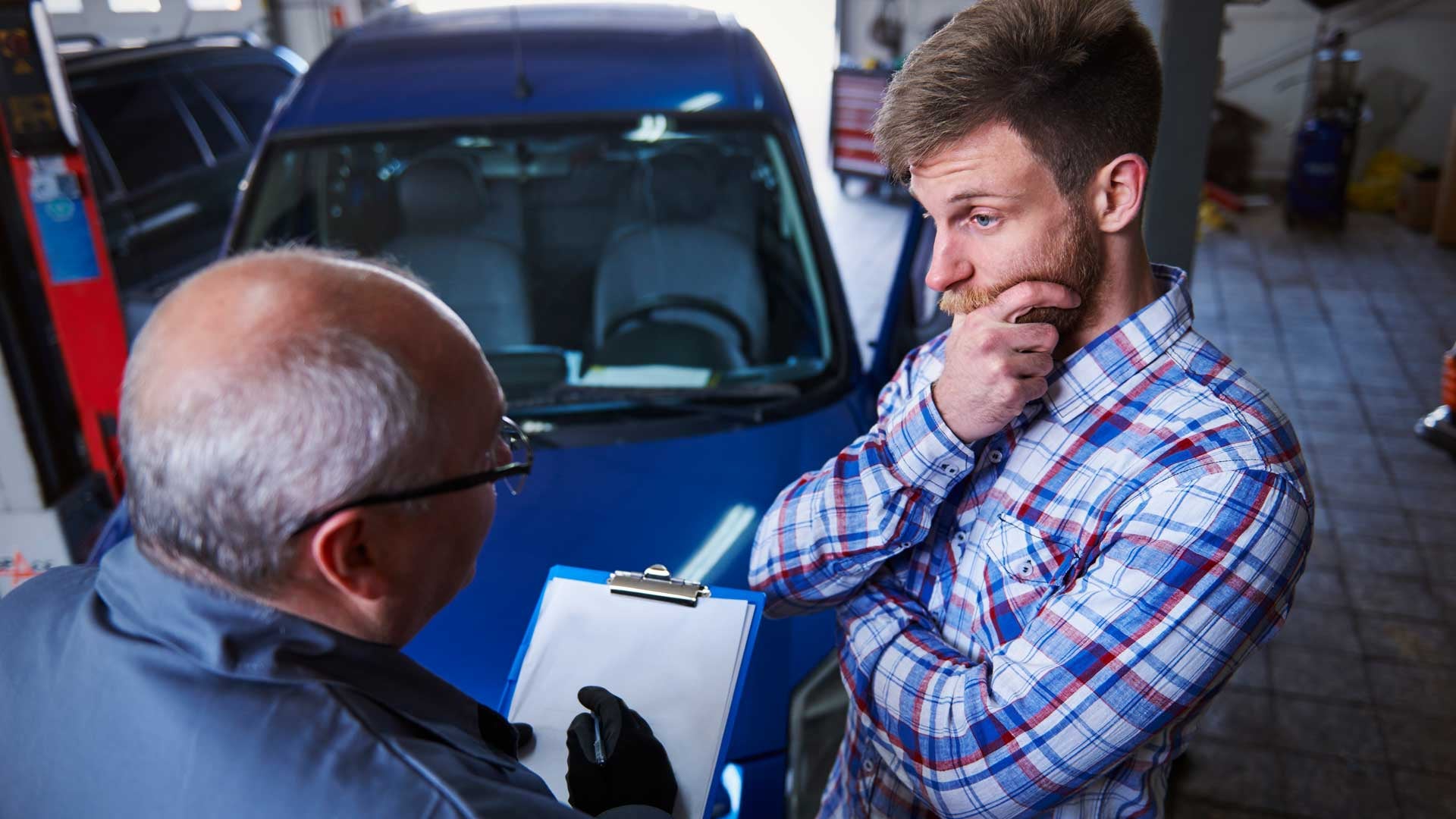
A used car can be a bargain or a booby trap. The price on the windshield tells you what you’ll pay today; the stuff you can’t see decides what you’ll pay tomorrow. That gap—the one between shiny paint and expensive reality—is where a pre-purchase inspection earns its keep. For the cost of dinner for two, you buy a mechanic’s time, a diagnostic scan, and a brutally honest report. Skip it, and you’re betting four figures on hope. If you prefer certainty over surprise, this is the smartest money you’ll spend before signing the title. What a Pre-Purchase Inspection Actually Finds (and Why It Matters) Think of an inspection as X-ray vision for your next used car. A good tech doesn’t just glance at brake pads and call it a day. They scan for stored fault codes that the dash lights haven’t revealed yet, measure brake rotor runout, check for uneven tire wear that points to alignment or suspension trouble, verify fluid condition, test the battery and charging system, and look for evidence of leaks you won’t notice on a five-minute test drive. They crawl under the vehicle to spot bent subframes, rust at weld points, worn bushings, cracked CV boots, oil pan seeping, and that telltale coolant crust creeping down the block. They’ll also road-test it long enough to catch the transmission flare from second to third, the wheel bearing hum that rises with speed, and the steering shimmy that shows up only under load. The big difference is context: a code reader tells you there’s a misfire; an experienced inspector tells you whether it’s a $40 coil or a $2,500 timing job. That context changes the deal. A PPI turns unknowns into line items—negotiable, predictable, budgetable. Without it, you’re buying a story the seller told and a feeling the test drive gave you. Cars are machines; feelings won’t fix them. Numbers will. And an inspection turns mechanical risk into numbers you can actually use. Typical PPI cost: $150–$300; typical surprise repair stack without one: $1,000–$4,000 in the first year Inspections uncover hidden safety issues—brakes, tires, suspension—that a quick drive hides A scan plus a lift check beats clean detailing and a friendly seller every time The Hidden Price Tag of Skipping It Skip the inspection and the first bill usually arrives disguised as convenience. That vibration you dismissed? It’s two cupped tires and a bent control arm: $700–$1,200. The sweet coolant smell you barely noticed? Radiator and hoses: $600–$1,100. The transmission that seemed fine on a short drive? Fluid looks glittery under shop lights and now you’re shopping for a rebuild: $2,500–$5,000. These aren’t horror-movie outliers; they’re Tuesday. Add smaller hits—battery, belts, filters, wiper linkage, headlight modules—and your “great deal” quietly overtakes the price of a cleaner car you passed on. There’s also the silent tax on financing and warranties. Lenders and aftermarket warranty providers may balk if the vehicle shows obvious neglect after purchase, leaving you with higher rates or zero coverage. Insurance can sting too: undisclosed prior damage or a salvage-level accident history that didn’t appear in a basic report can complicate claims. Then there’s depreciation. Buy the wrong car and you not only pay to fix it—you pay again when you try to sell it. As soon as you disclose leaks, warning lights, or structural repair, buyer interest and offers dive. An inspection flags those issues before you’re the one responsible, and gives leverage to either renegotiate, walk, or choose a better example. The PPI is not a cost; it’s a filter. It filters out bad cars, bad prices, and bad surprises. Immediate repairs often exceed 10–20% of the purchase price on neglected cars Lost negotiation power: documented defects can justify $500–$2,000 price reductions Resale penalty: undisclosed issues today become your bargaining problem tomorrow How to Do the Inspection Right (Fast, Fair, and Thorough) Keep it simple. Choose an independent shop or mobile inspector with brand experience and solid reviews. Book before you fall in love: if the seller hesitates to allow an off-site inspection, that’s the easiest pass you’ll make all year. Ask for a written report with photos, a full OBD-II scan, compression or leak-down on suspect engines, brake measurements, tread depth, fluid condition notes, and a road test of at least 15 minutes with highway speeds. Pair that with your own test-drive routine: cold start, full-lock steering in a parking lot, hard brake from 50 mph, cruise at 65+, AC on and off, and windows open to listen. Cross-check the findings against parts and labor in your zip code to estimate a 12-month maintenance budget, then fold that number into your offer or your decision to walk. The PPI cost is tiny compared to owning the wrong car for three years. Buy the inspection, not the story. Insist on a lift check plus a diagnostic scan and a 15-minute highway drive Budget for the next 12 months, not just the drive home If the seller resists an inspection, choose a different car Used cars aren’t scary; unknowns are. A pre-purchase inspection replaces suspense with clarity, and clarity is where smart buying lives. You don’t need perfection—you need a clean baseline, transparent needs, and leverage. For a couple hundred dollars, you trade guesswork for evidence and tilt the deal in your favor. That’s not caution. That’s strategy. Before you wire a deposit, book an inspection. Bring the report, price the fixes, and make the car earn your money. If it doesn’t, walk and find the one that does.
First Snow, No Problem: Spokane’s Best Used AWD Rides Under $20K
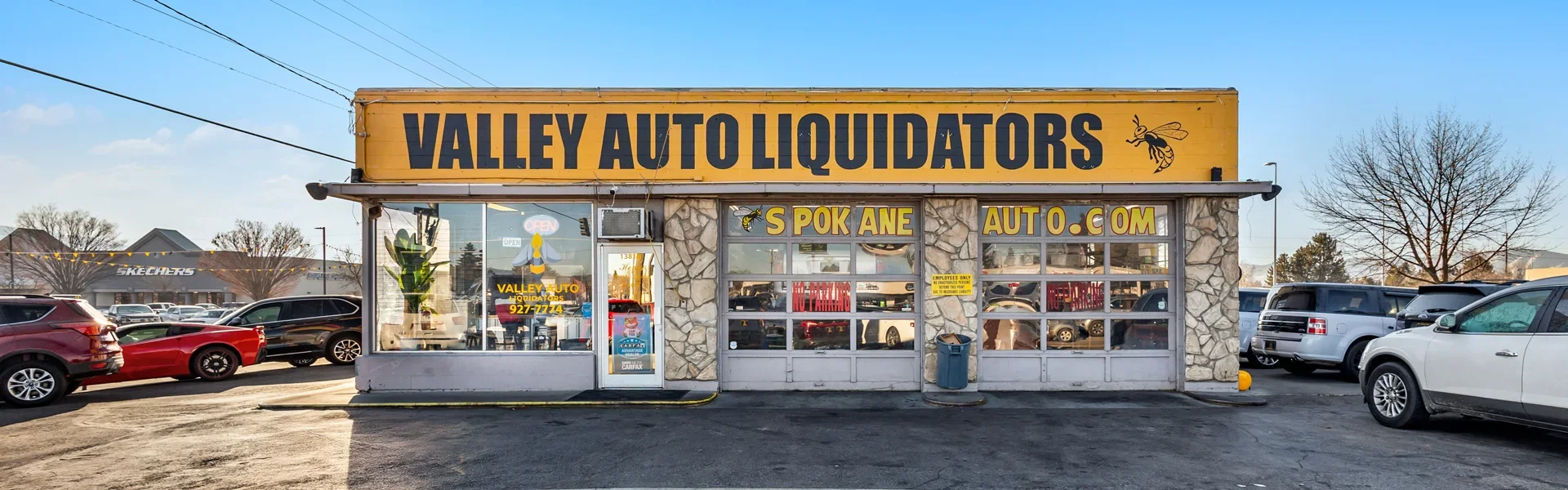
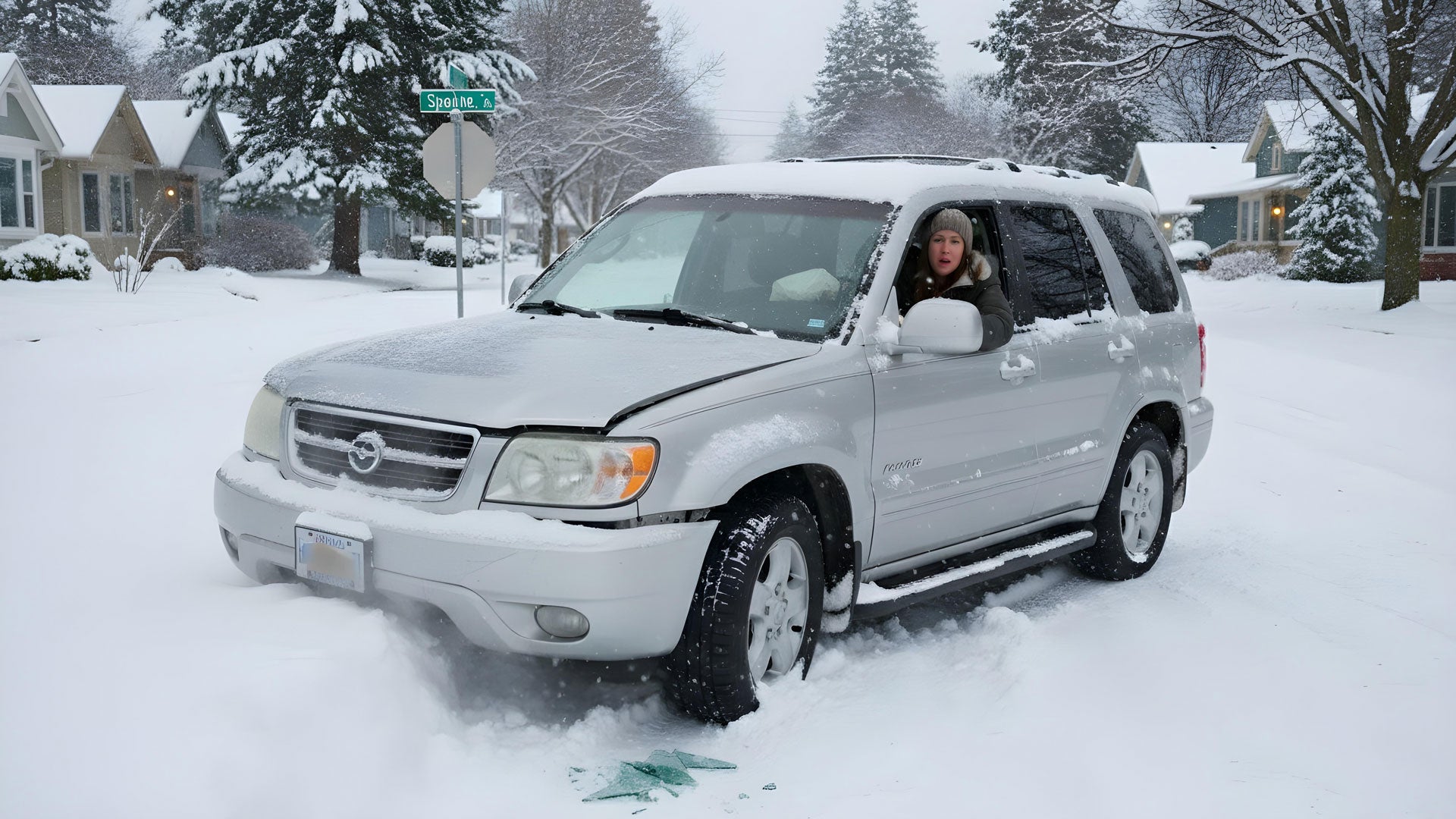
Spokane doesn’t do polite winters. First snow hits, and drivers who cheaped out on traction get exposed fast. If you’re staring at slush and second-guessing your two-wheel drive, you’re not alone. Good news: you don’t need a trust fund—or even $20K—to get into something that’ll laugh off the worst December. Why AWD Matters When Spokane Turns White You can spot the out-of-towners by the way they fishtail through the first intersection on Division. Around here, AWD isn’t a luxury—it’s survival gear. Front-wheel drive will get you through October, but come January, when you're tackling uphill on Thor or dodging the plows on Sprague, you want all four wheels working for you. That’s why AWD (all-wheel drive) matters: it delivers traction when you need it most. The difference isn’t subtle, either. Insurance claims spike every winter, mostly from folks overestimating what their old sedan can handle. Spokane’s mix of hills, ice ruts, and last-minute snow dumps punishes the unprepared. AWD cuts your odds of getting stuck—or worse, causing a fender bender—by giving you that extra grip when things go sideways. The Budget: Under $20K—But You Want Real AWD Let’s cut through the marketing fog. There’s cheap, and then there’s cheap that lasts. Valley Auto Liquidators stocks over 300 vehicles at any given time, but not every rig with an "AWD" badge deserves your money. The real trick is finding proven platforms—stuff that’s taken Spokane abuse and shrugged it off. $20,000 is more than enough to get into a late-model Subaru, a well-kept Honda CR-V, or even something with a little badge snobbery, like a Mercedes C 300 4MATIC®. These aren’t theoreticals—these are VINs on our lot right now. I’m not pitching you an auction ghost or some Craigslist fever dream. Actual inventory, actual prices. Meet Spokane’s Winter Killers: AWD Rigs on Lot Now Subarus are basically Spokane’s unofficial mascot—for good reason. The 2019 Subaru Outback Limited (stock #228630) clocks in at $17,388 with adaptive cruise, Bluetooth, heated seats, and remote start. You won’t find a better all-weather wagon for under $18K unless your cousin’s selling his for cash. Want something newer? The 2020 Subaru Legacy Premium (stock #229420) is sitting at $16,680. Yes, it’s got AWD. Yes, it’s got heated seats and keyless everything. This isn’t a base model. If you want old-school value, the 2007 Subaru Outback i (stock #230680) is $5,999. Sure, it has over 200K miles—but these things have survived more Inland Northwest winters than half the cars clogging up I-90 during a snowstorm. AWD SUVs: Honda CR-Vs That Actually Deliver Every soccer parent in Spokane seems to have a CR-V—and there’s a reason they’re hard to kill. The 2016 Honda CR-V EX-L (stock #228990) has 80K miles and sells for $18,888. You get AWD, heated seats, sunroof/moonroof, and a rear-view camera—a full kit for surviving winter and then some. For even less, the 2016 Honda HR-V EX (stock #229310) shows up at $14,888 with under 100K miles. Both offer Honda reliability and enough ground clearance to push through plowed berms on your street without drama. Wild Cards: Luxury AWD Under $20K (No Joke) Think German badges are out of reach? The 2018 BMW X5 xDrive35d (stock #229000) is sitting at $18,488—diesel power included. Heated seats, navigation, backup camera—the works. Or maybe something with Stuttgart pedigree: the 2016 Mercedes-Benz C 300 4MATIC® (stock #229212), just $17,999 and only 73K miles. This isn’t some fleet-rental workhorse; it’s a real C-Class with AWD traction and Mercedes fit-and-finish. Even the beefy Mercedes GLE SUV GLE 350 4MATIC® shows up at $18,999 (stock #230690)—proving you don’t need to mortgage your house to buy a badge. Trucks That Don’t Blink at Black Ice Not everyone wants a crossover or wagon—sometimes you just want truck DNA and old-school simplicity. Enter the 2006 Honda Ridgeline RT (stock #230420), a running legend with 4WD/AWD and only $11,280 on the sticker. It’s not a show pony—140K miles—but it’ll carry drywall or your kid’s bike through snowbanks without missing a beat. What to Actually Look For—Beyond the Hype It’s easy to get distracted by touchscreens and leather trim when you’re shopping for an AWD car under $20K, but Spokane winters reward function over form every time. Focus on mileage that matches regular maintenance records (ask for the CARFAX—every rig listed here comes with one), working heated seats if you hate cold starts, and enough ground clearance to keep you from high-centering in February slush. Don’t sleep on older models if they’ve got documented service history; for example, that 2007 Outback i is still on the road because Subaru builds them to last longer than most people keep their jobs. Spokane Realities: Why Buy Local? Out-of-town dealerships don’t know our roads—or our potholes after a rough winter thaw. Valley Auto Liquidators has been stocking Spokane driveways since before TikTok was a thing—aggressively priced because nobody here pays Seattle premiums. Our buyers are budget-conscious for good reason; no one wants to dump four months’ salary into winter prep when there are legit AWD picks under $20K in town right now. If you’re tired of white-knuckling it every time snow hits Francis or dodging half-buried sedans on Monroe, stop waiting for next winter to sort your ride out. Valley Auto Liquidators has real AWD rigs—Subarus, Hondas, even a few sleeper Germans—ready for test drives right now for well under $20K. First snow doesn’t need to be “first disaster.” Get onto something built for Spokane’s winter circus before the next storm rolls in. Don’t gamble on another icy commute. Check out Valley Auto Liquidators’ full used AWD inventory online or swing by the lot on Sprague today—before these winter survivors disappear.